Planning Based on Assessment
Once the circulating nurse has completed their preoperative assessment, they may need to go back to the OR room to:

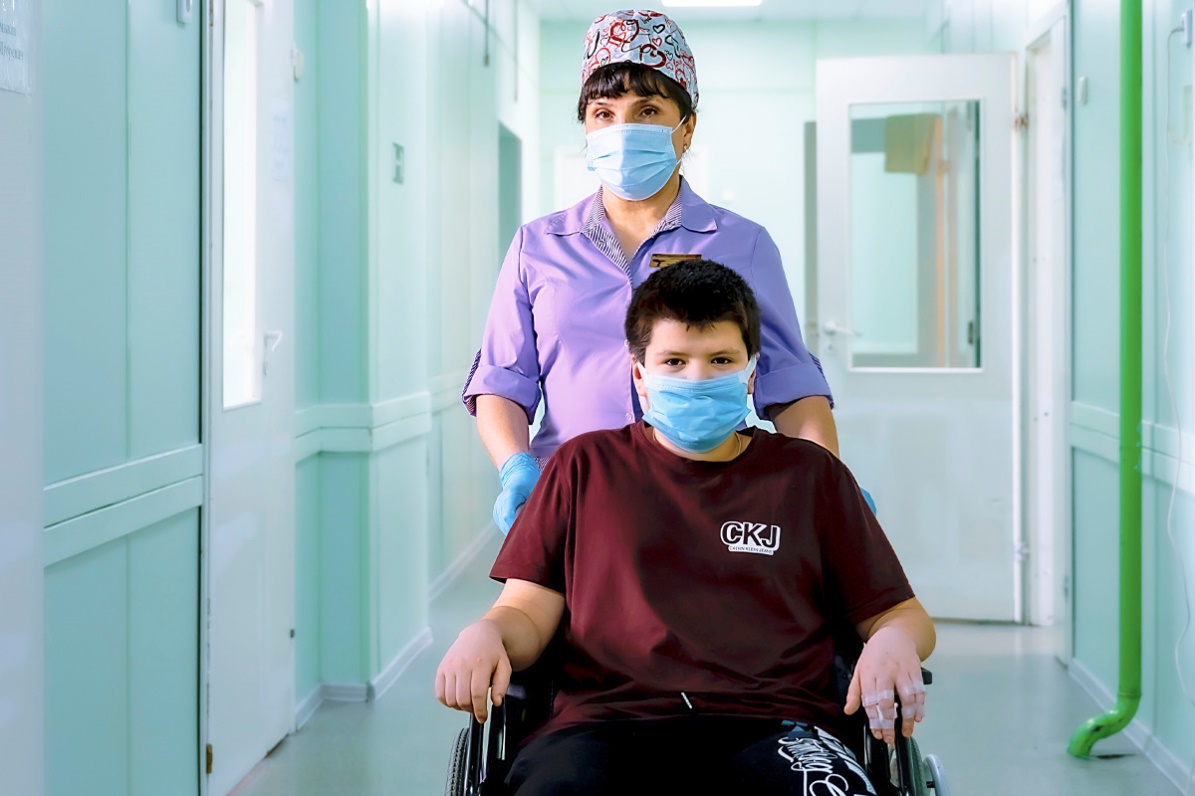
Transporting to the OR
Depending on a patient’s disposition, they may come to the OR by:
- Foot
- Wheelchair
- Stretcher
- Hospital bed
Depending on the institution’s protocol and the patient’s status, they may be brought to the OR by a porter or may require the nurse and anesthesiologist to accompany them during transport.
💬 Communication Highlight
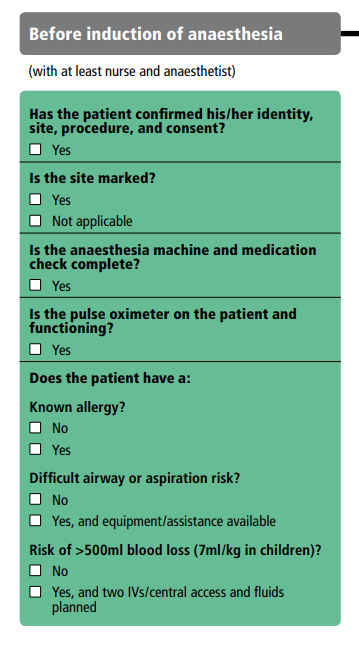
The Surgical Safety Checklist Part 1: The BRIEFING
You were introduced to the surgical safety checklist as a patient safety tool in course 1. The BRIEFING takes place when a patient enters the OR, is transferred onto the OR bed, and before the induction of anesthesia. This occurs while the patient is still awake so they can be a part of the briefing procedure.
- The briefing is meant to provide a communication tool to confirm key patient information and preparation before anesthesia is induced.
- Remember that each institution is encouraged to adapt the surgical safety checklist to best suit their needs.
The WHO recommends the following information be covered in the surgical briefing:
(ORNAC, 2021)
📽️ AORN CINE-MED VIDEO
Navigate to the AORN Cine-Med website and make sure that you are logged in before clicking on the link below.
- Watch the AORN Cine-Med Video: Perioperative patient assessment: Developing a care plan
- Download the Study Guide included to follow along.
- (Thread to follow in Cine-Med – Perioperative patient care concepts – Perioperative patient assessment: Developing a care plan)
- Runtime – 43 minutes