Role of the Nurse
Nurses are self-regulating professionals and are accountable for their actions and responsible for their practice within their knowledge, skill, and judgment. The nurse:
- Performs a preoperative nursing assessment.
- Checks ASA with anesthesia provider and recognizes implications
- Identifies the risks associated with anesthesia and the procedure.
- Continuously monitors the patient.
- Is the document care provider.
Skills and Competence
- The administration of monitored sedation requires education and training.
- The nurse administering sedation must have knowledge, skill, and judgement in airway management, monitoring the patient, and emergency resuscitative equipment and medications.
- The nurse should adhere to the policy and protocols of their health care facility.
- The nurse must be competent in administering medications for sedation.
- The nurse must be competent in recognizing and managing basic dysrhythmias.
- It is recommended that nurses be certified in ACLS and or PALS depending on the patient population of the health care facility.
- The nurse must have knowledge of reversal agents such as Naloxone.
(ORNAC, 2021)
Local Anesthetic
- This occurs when there is an anesthetic agent administered to one part of the body. It is usually used in minor surgery, and the surgeon most often administers local infiltration.
- It can be used topically (cocaine) or through wound infiltration.
- Examples include lidocaine or bupivacaine; these can be used with or without epinephrine.
- An anesthesia care provider is often not present, and the perioperative nurse is responsible to monitor the patient’s vital signs and ECG.
- Institutions must make their own policy for monitoring the patient, but the perioperative nurse should monitor pulse oximetry, heart rate, respiratory rate, blood pressure, pain levels, anxiety, and consciousness level.
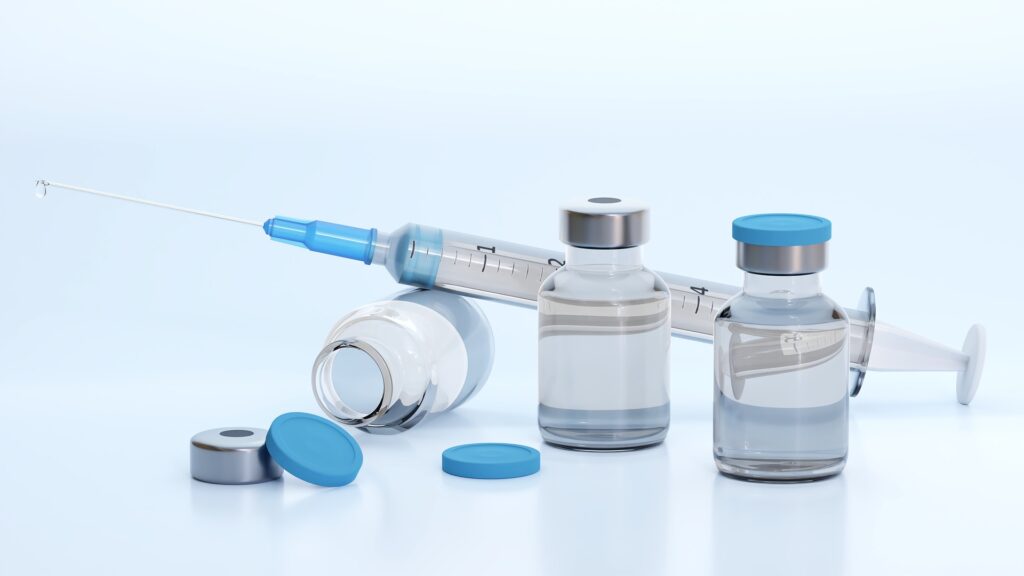
Local Anesthetic Systemic Toxicity (LAST)
This occurs when unsafe amounts of local anesthetic travel through the bloodstream. It may occur slowly from systemic absorption of the injection administered correctly into the tissue, or mistakenly administered into a blood vessel.
Signs and symptoms are: